



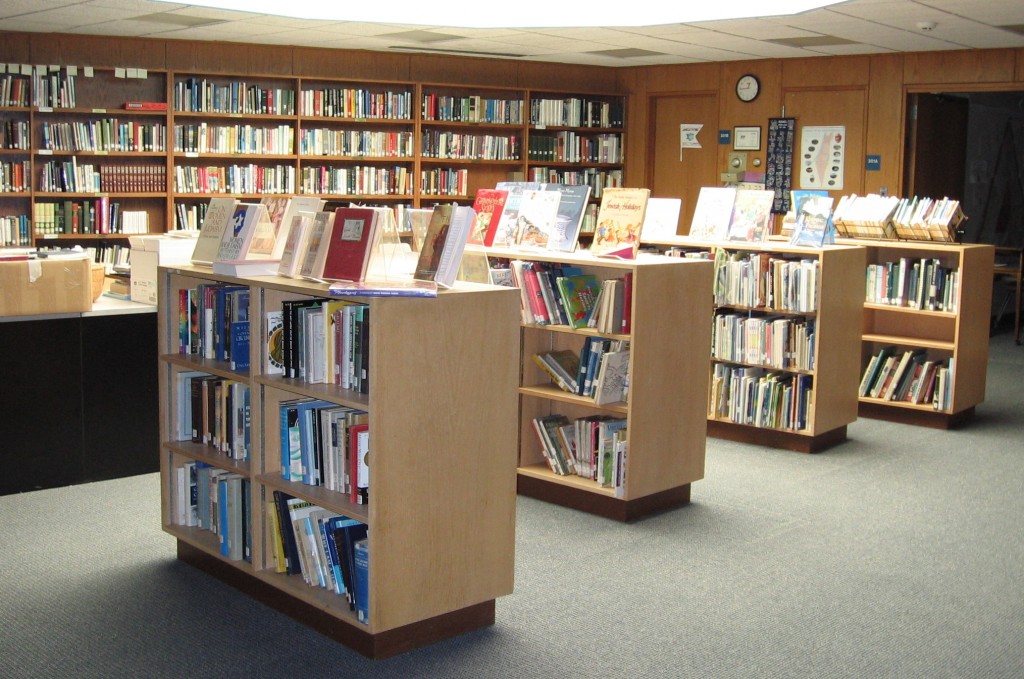
The current climate of digital publishing and its impact on public libraries is a hotly contested topic right now, leading even to jabs and jeers from both sides of the issue. Tim Coates, founder of ebookstore and rental platform Bilbary and former CEO of UK retail chain Waterstones, spoke with GoodeReader about an article he wrote entitled, “The Ideal Library.” While Coates was quick to point out that his article specifically addressed the needs and social value of libraries in the UK, in some ways these needs are a part of libraries around the world.
“As long as I’ve been having dealings with them, there was a belief that ebooks would solve all [the libraries’] problems,” said Coates. “They wouldn’t have to stock books anymore because suddenly everything would become free and available. They would be the providers of it and wouldn’t it be wonderful… They’ve become completely caught up in what’s been happening in ebooks. That kind of hope of those many years has been kind of unrealistic and completely ridiculous and it hasn’t come true. Libraries are being closed down by the government or various local agencies because they’re a waste of money. They are buildings that nobody uses or have nothing in them.”
Coates explained that one of the first concerns for libraries is the demographic of their patrons, noting that the bulk of regular users are older people or people with small children. This is a demographic that has the time available to come to a library during the limited hours of operation that so many libraries have turned to in order to cut costs. Additionally, those specific demographics are more likely to live on limited incomes due to the expense of retirement or of a single-income family, making it all the more vital that a local library be available to meet their needs. “They do depend utterly on the local library. It’s local, it’s free, it has some cultural value to it. The library is an incredibly valuable space.”
But Coates was posed the question for his first article: “What should a good library be like?”
After exploring how libraries can address the needs of patrons of various age demographics, Coates’ first issue was that of the physical location of libraries, one impediment that has actually made ebook lending all the more attractive to patrons who wish to borrow books but still live so far away that a trip to the library has to be intentional and justifiable.
“What you want is a place that you can go to, hopefully that you could walk to or that a child could go to on his own safely. It shouldn’t be a shopping expedition or cause you to pay a lot of money to get to it. You’ve wasted the value of the library if you have to do that.”
Apart from the address, Coates outlined the slow downfall of libraries as a as Catch-22. As fewer people were able to access their libraries and stopped coming in, libraries began having smaller budgets and ultimately stocking fewer books. The lack of new and quality titles led to fewer satisfied patrons coming to the library, which of course, once again led to smaller budgets and fewer books. All of this became compounded with the reduced hours of operation that libraries resorted to as a cost-saving measure.
“The libraries are being closed because they weren’t open enough for anyone to use them. Now, town councils are saying you can’t afford to have a valuable building with no one using it. It’s been a long, slow, death by a thousand cuts.”
So what will it take to keep the libraries open as a strong support of community and culture? Books. Coates explained that having access to titles, not print or digital but both, will ultimately revive the libraries. As public libraries tried to shift their operation models to meet more people’s needs and began installing computer labs, television viewing areas, audiobook listening rooms, and more, as well as spending their time and battling the issue of ebook lending, Coates explained that the money for actual borrowable books began to dwindle away.
“It tends to be one town, one county, one district, until you suddenly you find they’ve closed half the libraries. Each time, there’s a campaign to save the library. We’re simply going to have to put more books in the libraries.”

Mercy Pilkington is a Senior Editor for Good e-Reader. She is also the CEO and founder of a hybrid publishing and consulting company.