



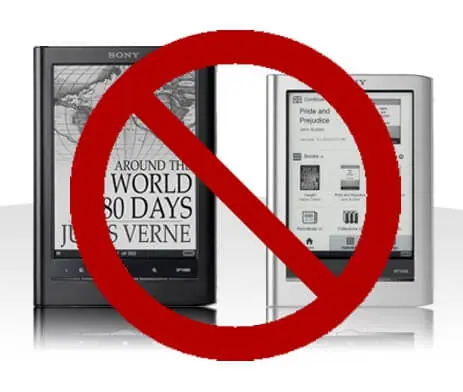
OverDrive is the world’s leading provider of audio and ebook titles for public and school libraries, giving those institutions the ability to offer ebook borrowing for their patrons on a variety of e-reader devices, tablets, and PCs. More than 1,000 publishers rely on OverDrive to provide a wide variety of digital content to over 15,000 institutions.
Make that just over 999 publishers. Penguin Group announced today that it would be pulling its titles from OverDrive’s lending catalog.
Despite OverDrive the industry leader, in spite of OverDrive’s massive presence in the publishing industry and the library communities, even despite the fact that absolutely nothing has changed about OverDrive’s business model and that no incidents have been reported of any security concerns—the very reason that Penguin cited for removing its new titles—the publisher has opted to not allow readers to borrow Penguin titles from their local libraries.
Of course, one very crucial thing has changed. OverDrive had a Get For Kindle feature enabled following its partnering with Amazon since the development of a digital format other than MOBI, meaning patrons who e-read on Kindles could now borrow books from OverDrive’s libraries.
With the refusal to comment any further than the aforementioned “security concerns,” Penguin appears to be taking a stab at Amazon over the recent Kindle Lending Library boycott from some of the major publishers. Penguin specifically instructed OverDrive to suspend the lending of its titles and to disable the Get For Kindle feature.
The American Library Association’s Carrie Russell, the director of the Public Access to Information program, had this statement to Publisher’s Weekly: “While we are pleased that Penguin chooses to sell e-books to libraries (unlike some other publishers), we are disappointed in their decision to delay sales of new titles to libraries. Penguin says that they have security concerns with library sales which we find puzzling. There is no evidence that security breaches have been tied to public libraries or library users. One would think this is more of an issue with everyday consumers or hackers who do not want to pay for e-books.”
It would be great to be able to take this any other way than an attack on Amazon, and the end result is the shunning of Kindle customers who wish to borrow library books. In a display of generosity, Penguin did point out through a spokesperson that print editions of their books are still available for check-out in local public libraries.

Mercy Pilkington is a Senior Editor for Good e-Reader. She is also the CEO and founder of a hybrid publishing and consulting company.