



Archive for ios
Morning Manga Magazine Goes Same-Day Digital—but Only in Japan
Posted by: | CommentsKodansha’s Morning magazine is one of the most interesting manga magazines in the Japanese marketplace. It’s pitched at young adults, and the stories tend to be somewhat more sophisticated than the genre magazines aimed at young teens and pre-teens (Shonen Jump, Ribon, etc.) Many of the Morning series that have been licensed in English have been critically acclaimed, if not top sellers: Planetes, the story of junk collectors in outer space; What’s Michael? a crazy cat manga that won the Kodansha Manga Award; and Masashi Tanaka’s wordless dinosaur manga Gon, which has been picked up by three different publishers in the U.S. at different times.
So it’s big news that Morning is getting its own digital edition, D Morning. It would be bigger news if the app was available in the U.S., but sadly, it is not; it is only available via the Japanese iTunes store (and the only language seems to be Japanese). What’s more, the two really outstanding series, Naoki Urasawa’s Billy Bat and Takehiko Inoue’s Vagabond, won’t be in the digital edition.
Urasawa is on record as not liking digital media; in an interview last year, he remarked, “None of my works are [legally] available digitally. I prefer physical books.” Apparently his stance hasn’t changed on that.
Inoue isn’t quite as doctrinaire; his Smile, a collection of drawings that he did on an iPad and first shared via Twitter, is available as an app for iOS or Android. Still, none of his manga are available digitally, at least in English.
Despite the many omissions, the app is an important step forward for Japanese manga. Each new issue of D Morning comes out the same day as print, at a very reasonable price of 5,000 yen (about $5) per month; since it’s a weekly, there are four issues per month, for a total of about 1,200 pages. This is the first real attempt by a major Japanese publisher to do same-day print and digital releases; while Americans are enjoying their digital copies of Shonen Jump, their Japanese counterparts are reading the exact same material on paper. It works because Japan, unlike the U.S., still has newsstand distribution of comics on a mass scale, so there hasn’t been much of an incentive to go digital. But digital is still more convenient than print (comments on the app mention how much easier it is to read digitally on the train), and if Kodansha were to open up the D Morning app to markets outside Japan, they would probably find plenty of readers.
Barnes and Noble Beefs Up Nook iOS App for Comics Readers
Posted by: | CommentsBarnes and Noble announced a major upgrade to its Nook app for iPad, iPhone, and iPod Touch this week, bringing the full range of digital comics capabilities to the app for the first time. Previously, many comics in the Nook store were available only on Nook devices, not on the associated apps. With the upgrade, iOS users can now access any of the 8,000 comics titles in the Nook store.
The Nook folks are also giving new readers an incentive to set up an account now: They are giving away a free Superman sampler comic to anyone who downloads the upgraded app and sets up a new account.
Why would you bother? The Nook app is not as convenient as the comiXology, Comics Plus, or Dark Horse apps, because you cannot buy comics in-app; as is the case with Amazon Kindle, you have to buy the comics in the web store or on a non-iOS device. On the other hand, if you’re the type to shop around, and you don’t mind having your comics in several different apps, the Nook Store sometimes offers lower prices. Also, there are some titles available for Nook that you can’t find on Amazon, such as most Viz manga (although Viz manga are available in the Viz app).
In terms of usability, the app works just fine, but it’s not quite on a par with the otehrs. The Zoom View, which is touted in the press release as an enhancement for comics readers, is somewhat less than comiXology’s Guided View: A double tap enlarges the panel, and you can then drag the enlarged page around so you can see the whole thing. Unlike Guided View, it does not bring you from one panel to the next; all navigation must be done by dragging, which is a less elegant solution. And the navigation bar at the bottom of the screen, which lets you move from one section of the book to another, uses thumbnail pages, which take up a lot of space; a simple slider bar would do just fine without covering up part of the page.
The bottom line is that if you are a B&N shopper already, if you don’t mind switching apps to save a few bucks, or if you want to read the digital comics not available on Kindle, this new app is probably worth a look. Check out the Nook Comics Store to see if anything piques your interest.
Marvel Unlimited Now Available for Android on Google Play
Posted by: | CommentsMarvel Unlimited is an “all-you-can-eat” subscription service that allows readers access to Marvel’s enormous back catalog, starting with their first-ever comic, Marvel Comics #1. For $9.99 per month, or $59.88 per year, you can dip into their library of over 13,000 comics and read as much as you like.
There are two drawbacks to Marvel Unlimited, although they are really marketing choices more than drawbacks. One is that it’s streaming, so you have to have an internet connection to read the comics, although the iPad app does allow a small number of downloads. When your subscription ends, the comics go away, although you are always offered the opportunity to buy them via Marvel’s web store. The other problem is that the comics are not super fresh; nothing is less than six months old, and the vast majority of the collection is much older. If you’re OK with that, though, Marvel Unlimited does offer really good value for the money.
Unfortunately, reading comics on a computer isn’t very comfortable, and when Marvel brought Marvel Unlimited to iOS, I thought it was a huge improvement. So when they announced an Android version, available on Google Play, that was even better news.
I tested out the app on my Nexus 7 tablet, and it worked fine—as long as I was reading in single-page mode in the portrait format. Double-page spreads were too small to be read, and Marvel’s “Smart Panels” are anything but—this attempt at a panel-by-panel view fails miserably, from sheer carelessness. The panels are poorly cropped; often parts of the panel are chopped off and bits of other panels intrude. It’s a shame, because good panel-by-panel view would add a lot to this app; the reading surface on the Nexus 7 is rather small. However, the resolution on the Nexus 7 is good enough that the full-page view works fine. Also, an annoying feature from the iOS app, giant “left” and “right” arrows that don’t disappear until you tap twice, have been eliminated from the Android version. The screen isn’t as sensitive as I would like—sometimes I had to swipe two or three times to get the page to turn—and the comics are a little slow to load. Aside from that, it’s a very nice comics app.
My other complaint still stands, though: The app is poorly organized. You can search by series, character, creator, or release date, and there’s a keyword search, but with this many comics, it’s often hard to find what you are looking for. After all, there hae been a lot of series named “Daredevil” over the years. Making it harder is the fact that the browse function won’t let you jump to a particular letter of the alphabet; you have to start with “A” and scroll down through a lot of comics each time. And since the app is organized around single-issue comics, one feature that would be really nice would be a pointer to the next issue on the last page. Instead, the reader is prompted to buy the comic and then sent back to the main page for the series, which interrupts the flow of reading.
The app is free and offers a good selection of free comics to non-subscribers. Not surprisingly, this week’s selections are heavy on Iron Man, with a lot of issue #1s, but they also offer a six-issue story arc to read straight through. This service definitely works better as a mobile app than a website—it’s more comfortable to read on a tablet, and the higher-resolution screen makes it easy to read comics even at a smaller size. The Android app makes it even more convenient and portable. Download it today from the Good e-Reader App Store!
Celebrate Free Comic Book Day with Some Free Digital Comics at Comic Bin
Posted by: | CommentsFree Comic Book Day is all about enticing customers into brick-and-mortar comics stores with the promise of—you guessed it—free comics, in hopes that they will like the freebies enough to come back and spend some money.
Digital comics providers do that as well. This weekend, Comic Bin is inviting comics fans to sample its service for free. Comic Bin works like the Marvel Unlimited service: For a monthly fee of $8.99, you can read any comic you like. It’s an all-you-can-eat deal with an admittedly limited buffet, because there are only a handful of publishers who participate and most of them have only a handful of books. Nonetheless, those handfuls add up, and Comic Bin is offering 700 free comics altogether (hmm, that number seems familiar) so this is the time to get in there and see if it matches your tastes.
Comic Bin offers a free membership, and with that you can read an eclectic selection of Golden Age comics, such as Phantom Lady, Yellowjacket Comics, and Our Flagg Comics.
The $8.99 subscription fee, which is waived for this weekend, opens up the contemporary publishers: Top Cow, Bluewater, 215 Ink, Alterna, Arcana, Northwest Press, and others. If you’ve been hankering to read Bluewater’s Honey Boo Boo bio-comic, or the first issue of Witchblade, this is your moment. The free-comics offer lasts through Sunday, May 5, so you have time to go to the comics store as well.
Comic Bin is a streaming service, so you have to have an internet connection to use either the standard browser-based service or the iOS app. I tested the reader in my Chrome browser and it worked pretty well, but the comic was larger than the browser frame so I had to scroll up and down to read it. I couldn’t make either the full-screen or the panel-by-panel view work on the comics I checked, but the comic appears large enough in the browser that panel-by-panel isn’t really necessary. It’s possible that someone with a larger screen (mine is 15″) would be able to read the comic without a hiccup. Social-networking tools are tucked in at the bottom of the browser so they are unobtrusive but handy when you need them.
Anyway, now is the time to find out. Check out Comic Bin while it’s free and see whether you’ll miss it enough to want to pay for it on Monday morning.
YACReader: A New Comic Reader for iOS
Posted by: | CommentsThere is a new app for comic fans out there. YACReader is only compliant with iOS, so it only can be used to read comics on the iPad, iPhone, and iPod. Created by Luis Angel San Martín, the app brings along a fresh perspective to the dozens of comic apps already available in the market. The library lists all the comic books available, which includes a generously sized image of the comic available. A tap on a comic will launch it for reading. Buying a comic is also a simple process and they can be downloaded within seconds on the device.
Catch up with the video below for a more in depth exploration of YACReader!
Square Enix To Shut Down Digital Manga Stores in U.S. and France
Posted by: | CommentsThe Japanese site AnimeAnime is reporting that Square Enix will shut down its U.S. and French digital manga websites; although this news has yet to appear on the U.S. site, the news sites Crunchyroll and Anime News Network have picked up on it and there is a notice on the French site. The news comes as no surprise, as Square Enix has been having a bad year. They were projecting a net loss at the end of last fiscal year, their president is stepping down, and they laid off a large portion of their staff earlier this month.
Square Enix is the Japanese publisher for a number of popular properties, but they don’t publish them in the U.S. under their own name; their line includes Fullmetal Alchemist (published by Viz) and Black Butler (Yen Press’s top-selling Japanese manga).
Yen Press publishing director Kurt Hassler announced at New York Comic Con that Yen would be partnering with Square Enix to release their manga digitally on a variety of platforms worldwide.
Unlike JManga, which despite its myriad faults was user-friendly and relatively easy to use, the Square Enix North American digital manga store was poorly designed and embodied many of the worst aspects of digital comics distribution.
It was a streaming website, so you couldn’t download the comics, but it also required the reader to download a special manga reader, so that the comics were locked to a single computer, taking away the portability that is the saving grace of streaming manga. The special software was buggy and, to put it bluntly, just didn’t work. Tech assistance was nonexistent. But not too many people even got that far, because the site required users to go through five separate registrations—not steps, registrations—in order to sign up. And the DRM on the site was the worst, most obnoxious DRM ever. You can read all about it in my review at MTV Geek and Melinda Beasi’s review at Manga Bookshelf. How bad was the web store? So bad that when Square Enix did a free manga promotion at San Diego a few years ago, it backfired when people couldn’t claim their manga—just read the comments to Melinda’s post. So while the JManga announcement caused a lot of angst among readers who will lose access to manga they had “bought” from the streaming service, the Square Enix shutdown doesn’t seem to be causing widespread panic, perhaps because so few people have used the site.
It’s worth spending a few minutes discussing why the site was so bad. A fundamental problem was that Square Enix seemed to think of it as a site to be used chiefly by people who were already engaged with the company as gamers, assuming that people who were already members of the site would welcome the opportunity to have manga added to its other offerings. They don’t seem to have realized that manga readers are a separate group, and that having to become a site member before signing up for the manga service is an unnecessary (and annoying) step.
The site could have been streamlined quite a bit by either eliminating the membership requirement or combining it with the registration for the manga site. Furthermore, they used a fairly obscure payment service, so everyone had to sign up with that separately; if they had gone with a universally used service such as PayPal they could have saved their customers a lot of aggravation.
Finally, the DRM was ridiculous. Requiring readers to download a separate reader that only ties in to one device is already a failing strategy; nobody has just one device any more. The fact that the damn thing didn’t work is a separate issue. Not only was it buggy, it was only designed to work with the Explorer browser, effectively cutting out all Mac users and everybody else who doesn’t use Explorer. But that’s not the worst of it. As Melinda Beasi explains in her review of the site, it actually was quite easy to defeat the DRM and download the manga directly to the user’s computer as a PDF. On the other hand, Viz and eManga, which don’t have burdensome DRM, do a much better job of protecting their files. So the DRM is not only annoying, it’s ineffective. And finally, when the competition is a free, easy-to-use pirate site, requiring your readers to jump through hoops to read an overpriced comic is a losing strategy.
Yen Press has a nice iPad app, and their deal with Square Enix means the comics will be available digitally worldwide, not region-locked. The Square Enix site was old technology, poorly done, and it’s doubtful anyone will miss it.
The “Saga” Saga: It Wasn’t Apple After All
Posted by: | CommentsThe internet lit up on Tuesday after writer Brian K. Vaughan made this announcement: “Unfortunately, because of two postage stamp-sized images of gay sex, Apple is banning tomorrow’s SAGA #12 from being sold through any iOS apps.” On Twitter, Facebook, comment strings, and message boards, fans denounced Apple for a seeming double standard, refusing to carry a comic because of a gay sex scene although it carries plenty of mature content. A few commenters pointed out, though, that the scenes in question were more explicit than anything Saga had run before, so they may have crossed a line.
Everything changed on Wednesday, when comiXology CEO David Steinberger explained that comiXology, not Apple, made the decision, and that it was based on the explicit nature of the images, not the fact that the sex was gay:
As a partner of Apple, we have an obligation to respect its policies for apps and the books offered in apps. Based on our understanding of those policies, we believed that Saga #12 could not be made available in our app, and so we did not release it today.
We did not interpret the content in question as involving any particular sexual orientation, and frankly that would have been a completely irrelevant consideration under any circumstance.
This took a lot of people by surprise, but it makes a certain amount of sense that comiXology, which works closely with Apple, would avoid submitting content they know will be rejected. What makes less sense is comiXology letting everyone, including Vaughan, think that Apple made the call. Given the weird hostility between Apple and non-Apple users on the web, there was a lot of flaming going on, with people choosing to ignore the fact that Apple has been gay-friendly since before that was cool; they have long offered benefits to same-sex couples, they opposed the odious Proposition 8 in California, and their current CEO, Tim Cook, is gay. They are also choosing to ignore that companies like Apple and comiXology are not monoliths, and there might be different people reviewing different issues of Saga at different times; Mark Waid has a pretty plausible scenario that explains how this all would have happened with all parties having only the best of intentions; as he says, “In all matters creative, never attribute to malice what can be explained by bureaucracy.”
In the end, Apple did not reject Saga #12, and it is now available in the comiXology and Image Comics apps as well as online. While those apps are more convenient for iPad and iPhone users, the conversation served to remind us when a comic is purchased i the comiXology or Image web stores, iTunes doesn’t take its 30% cut, so more of the cover price goes to the creator and the publisher.
Apple Boots Saga #12 and 1,500 French Comics from App Store
Posted by: | CommentsWriter Brian K. Vaughan released a statement today saying that the 12th issue of his science fiction series Saga, illustrated by Fiona Staples, will not be available via comics iOS apps such as comiXology because of “two postage stamp-sized images of gay sex” that did not make it past Apple’s content reviewers. The comic will be available digitally from the comiXology and Image Comics web stores.
Saga, which launched with a bit of controversy over the cover early last year, is rated for mature readers, and it has featured sex scenes in the past, but it’s possible that it was the graphic nature of these particular images (which are small but quite explicit), rather than who was doing what to whom, that caused Apple to refuse to carry the comic in its apps. Heidi MacDonald posts the unexpurgated images at her site, and in the comments, creator Tyler James posts comiXology’s guidelines, which make it pretty clear why those images won’t be in the app (presumably comiXology’s guidelines reflect Apple’s).
Perhaps the folks behind the French comics app Izneo should have gotten a copy. Two weeks ago—on the eve of the long Easter week-end, the site IDBOOX notes—the Izneo folks got an order from Apple to remove the “pornographic” content from their app. With no clue as to what Apple would judge to be pornographic, the Izneo folks immediately took down 2,800 of the 4,000 comics in their app, cautiously removing anything that could hint of adult content, including Blake and Mortimer and XIII, both of which are published in print in the U.S. without any fuss. Then they reviewed those comics and put about half of them back, but that still leaves 1,500 titles that aren’t in the app any more. Izneo took quite a financial hit on this; turns out comics featuring “Les jolies filles un peu sexy” are their top sellers. (This story, it should be said, came from an anonymous source.)
Later, IDBOOX caught up with Thomas Cadène, one of the creators of the series Les autres gens, which contained all that Apple doesn’t want to see, he said: “Breasts, genitals, people making love, people who are not making love but are nude anyway—in short, life.” Cadène, of course, doesn’t regard his comics as pornographic at all, but he notes that at any rate, Apple is being hypocritical because the comic is still available on iBooks, Apple’s digital bookstore; the Izneo folks were simply told that iBooks was different from the apps. In another interview, Allison Reber of Aquafadas, another digital comics distributor, said that in 2009, Apple’s standards were so strict that an image of a nude man, seen from the rear, in the shower would be enough to scuttle a book, but that they have loosened up considerably; she hopes that the whole episode will turn out to be nothing more than a misunderstanding.
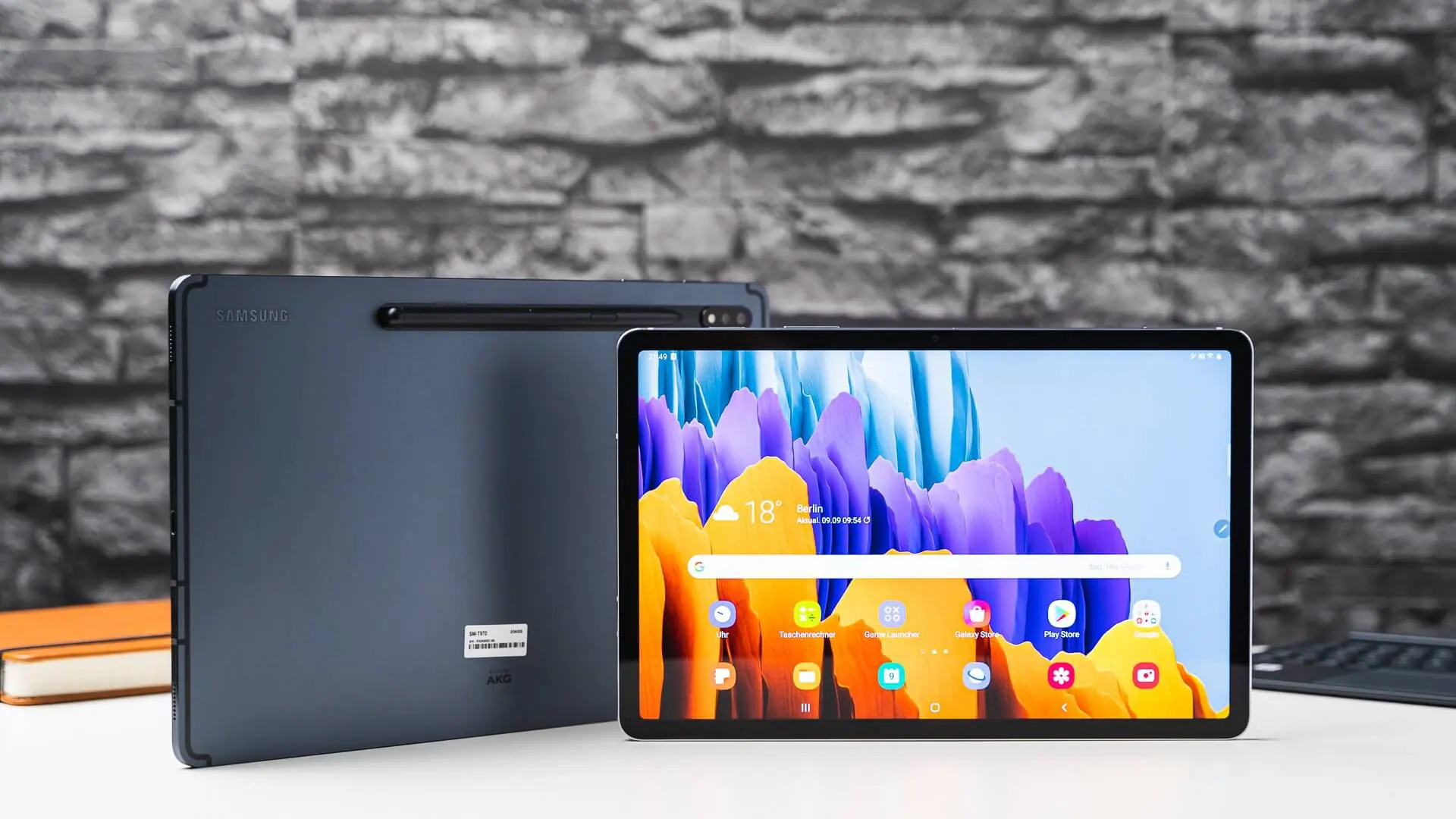
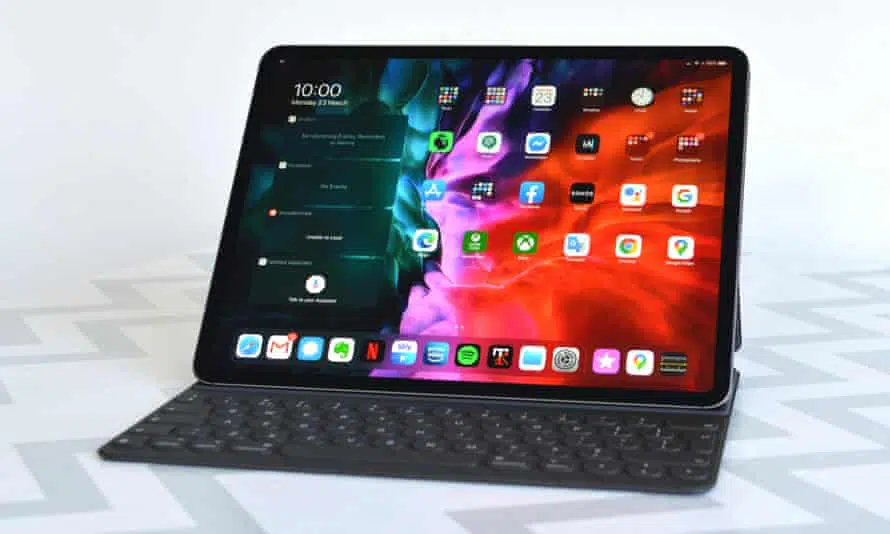
Tablets to Outsell Desktops by 72% by 2017
Posted by: | CommentsThe traditional computing platforms, such as the desktops, laptops and notebook devices, face a continual threat from tablet PCs. However, new research from Gartner in this field has come up with some startling facts. What has emerged as the central theme is that consumers have always wanted the tablet PC for their everyday computing needs, but had been forced to make do with other forms such as PCs or notebooks in the absence of tablets. Now with a fairly mature tablet market in existence, no wonder tablets are all set to outsell the others with recent findings on this pointing out it could happen as early as next year. Garnet is predicting even better times for tablets so that they are expected to outsell desktops by a massive 72 percent in just three years time. The change in trend is most likely permanent, so PCs are firmly on the way out and tablets are the latest in thing.
For those who prefer hardcore figures, 2.4 billion computing devices will be sold in 2013, which includes PCs, notebooks, tablets, smartphones, and so on. This marks a 9 percent growth over 2012. The figure will rise to 2.9 billion by 2017, though what would be most interesting is the change in the buying patterns of individual device segments. For instance, desktops are already showing a decline of 7.6 percent in 2013 over the previous year, so that 315 million of these found buyers in 2013. The only silver lining here is the ultramobiles, such as the Surface Pros, which showed positive growth so that 23.6 million units are expected to be sold in 2013, a healthy growth of over 9.8 million in 2012. Compare these to 197 million tablets likely to be sold in 2013, which marks an impressive 69.8 percent growth over the 116 million tablets sold in 2012. That is predicted to rise to 468 million in 2017, while the same for PCs is expected to dip to 272 million.
As for the choice of platform, Google’s Android has emerged as the clear winner, followed by Windows and iOS. Gartner though is predicting marginal growth for Blackberry, which means its woes might not be over soon.
“Lower prices, form factor variety, cloud update, and consumers’ addiction to apps will be the key drivers in the tablet market,” said Ranjit Atwal, research director at Gartner before also adding, “Growth in the tablet segment will not be limited to mature markets alone. Users in emerging markets who are looking for a companion to their mobile phone will increasingly choose a tablet as their first computing device and not a PC.”
Viz Brings Shonen Jump to Apple Newsstand
Posted by: | CommentsThe digital manga magazine Shonen Jump went to simultaneous publication with Japan in January, and now the magazine has reached another milestone: It is available for iPad and iPad Mini via the Apple Newsstand.
This offers readers three ways to buy the magazine: On the Viz Manga website, for 99 cents per issue or $25.99 per year, or via the Newsstand for $2.99 per month (automatically renewed). The nice thing about the Newsstand is that it gathers all your regularly updated apps into one place so you can check them all at once, and updates come in automatically. (Newsstand subscribers will also be able to read their issues on the Viz Manga website.)
Viz has been steadily expanding the reach of Shonen Jump since taking the magazine from print to digital in January 2012. While the Newsstand offers additional convenience and a price point that is cheaper than single issues (albeit more expensive than an annual subscription), the real significance of this move may lie in the words of Gagan Singh, Viz’s executive vice president for digital business, in the press release that announced this latest move: “The Newsstand App lays the groundwork for future expansion of the magazine and offers our fans yet another way to access their favorite manga.”
That raises some interesting possibilities. As a fan of Viz’s shoujo (girls’) comics, I’d love to see them bring back Shoujo Beat magazine in digital form, and with their wide range of properties, Viz could put together some pretty interesting digital packages.
Rising Android Tablet Sales Causing Worry for Digital Publishers
Posted by: | CommentsWith research from IDC predicting the steady rise of Android tablets in 2013, so that it is all set to constitute the largest tablet base poised to surpass even the Apple iPad. This development has only added a few more creases on the foreheads of digital publishers, since instead of releasing content for just one tablet, the iPad running iOS, the publishers will now have to replicate their efforts on a plethora of tablet devices running Android. The challenge for them is to take into account a larger number of variables, such as processing power, screen size, display resolution, and so on. Plus there also is the case of individual manufacturer’s attempts at customizing the Android OS on their respective devices. The iPad, in contrast, presents a far more simple proposition, so much that what worked bets on the bigger 9.7 inch iPad also delivered superior performance on the smaller 7.9 inch display of the iPad Mini as well. However, while the iPad still rules the tablet market and will continue to have a sizeable portion to itself in the foreseeable future, they will still need to take into account the ever rising brigade of Android tablet devices.
The plight of the publishers is evident in the words of Joyce Rice, creative director at Symbolia. “Some of the Androids are very powerful, but some of them aren’t, and I don’t think you get to make a lot of choices in the Android marketplace about who can see your content and who can’t,” said Rice while also adding, “So it’s definitely a balancing act. I want it to look awesome for everyone, but it’s really determined by the window you’re looking at it through.” Symbolia takes news reporting to a different plane where comics and thoughtful illustrations are used to present the news.
The biggest challenge that the Android tablet segment presents to the developers is to classify the tablet along common lines. This is easier said than done, so perhaps the best approach for the developers could be to take up one tablet at a time. It will be a huge endeavor, considering the sheer number of tablet devices now available running Android. Or the much more simple approach that most developers have adopted is to launch an app that offers limited to no interactivity to the users. This does serve the purpose of maintaining at least a presence in the Android tablet scene until they come up with an app that offers a better experience.
Other factors for the publishers to be wary of is that Android tablet users are less inclined to pay more for an app compared to their iOS counterparts. This brings to the financial aspect of the problem, as there is no guarantee that investing in a more robust development team will indeed pay back their efforts. All of this has only added to their concerns when a single app for the iPad can let them reach out to millions of users at one go. We wonder if Google has an easy solution up their sleeves.
Top 5 Digital Manga Websites: Feed Your Reader and Stay Legit
Posted by: | CommentsA few days ago, as Michael noted, JManga announced it is shutting down. The significance for many users was grave: Since JManga was a streaming site, most of the users will lose access to the manga that they paid for when the site goes dark on May 30. It’s unfortunate, as JManga offered a lot of quirky, interesting books that probably wouldn’t succeed in print.
There’s still plenty of manga out there for your e-reader, though, and unlike JManga’s selection, it’s downloadable.
Barnes & Noble has a robust selection of manga for the Nook. Viz, Yen Press, Digital Manga Publishing (DMP), Seven Seas, and Manga University all publish manga for the Nook. Check before you buy, though, because not every book is available on every platform; some are available only for certain devices or apps. Amazon and iBooks also carry manga, but Barnes & Noble seems to have the most robust selection.
Viz is the largest manga publisher in the U.S., so naturally they have the largest selection of titles available digitally: Action stories like Naruto and One Piece, romances such as Vampire Knight and Hot Gimmick, classics like Neon Genesis Evangelion, and arty titles like Natsume Ono’s Tesoro and Taiyo Matsumoto’s GoGo Monster. Most single volumes are priced at $4.99, and omnibuses are a good value at $8.99 to $9.99. Viz also publishes the digital magazine Shonen Jump, which carries new chapters of an assortment of manga released the same day they come out in Japan. The Viz app is available for the web, iOS, Kindle Fire, and Android. Yen Press and Kodansha Comics have their own iOS apps, and Dark Horse has web, iOS, and Android apps as well.
ComiXology doesn’t have a huge selection of manga, but what’s there is pretty good. Here’s their manga page; their most noteworthy titles are Hetalia: Axis Powers, the classic Cyborg 009, and a wide selection of volumes from Digital Manga Publishing (DMP). Prices vary widely; Hetalia is 99 cents per chapter (and the first chapter is free), Cyborg 009 is $4.99 per volume, and the DMP books are all over the place, from $2.99 for the shoujo manga Mizuki to $9.99 per volume for their yaoi titles and Vampire Hunter D. ComiXology has the advantage of being available on multiple platforms, including the web, iOS, and Android, so you can sync across different devices.
eManga (Warning: May not be safe for work) is DMP’s own website, and it carries a wide selection of Digital’s own titles (mostly yaoi manga, with a sprinkling of shoujo as well as the flagship title Vampire Hunter D). Digital gets singled out for special mention because unlike all the other apps mentioned, they offer DRM-free downloads in PDF or a variety of other formats. Digital offers a lot of titles at a wide variety of prices. However, the reason for the NSFW warning is that they also carry hentai (erotica) and photo magazines of models, which they mix indiscriminately among their other titles, many of which are teen-friendly. Plus their crowded site design is a little hard on the eyeballs.
GEN Manga offers alt-manga in a variety of genres at a very affordable price, and everything they publish is a downloadable PDF. Until recently, their flagship title was a monthly magazine, but that has been put on hiatus. They are still publishing single volumes of manga, and they now have a monthly manhwa (Korean comics) magazine.